
Most homes need both, just on different surfaces. Pressure washing uses high-pressure water (typically 2,500 to 4,000 PSI) to blast dirt, oil and grime off hard surfaces like concrete driveways, brick, pavers and block walls. Soft washing uses low pressure (usually under 500 PSI, about what a garden hose puts out) combined with a cleaning solution that kills mold, algae and mildew at the root.
Rule of thumb
If it is hard and you walk or drive on it, pressure wash it. If it is painted, porous, delicate or on your roof, soft wash it.
Below we break down how each method works, which surfaces call for which, what goes wrong when the wrong method is used, and how to decide for your Ventura County home.
Pressure Washing
- Pressure: 2,500 to 4,000 PSI
- How it cleans: Force knocks stuck-on dirt loose
- Best for: Concrete, brick, pavers, block walls, equipment
- Not for: Stucco, paint, wood, roofs and window seals
- Results: Removes what you can see
Soft Washing
- Pressure: Under 500 PSI, about a garden hose
- How it cleans: A cleaning solution breaks down growth, then a gentle rinse
- Best for: Stucco, siding, painted surfaces, roofs, eaves
- Not for: Heavy oil stains and tire marks
- Results: Kills mold, algae and mildew at the root, so it lasts longer
What Is Pressure Washing?
Pressure washing is exactly what it sounds like: a machine pumps water through a narrow nozzle at high pressure, and that force does the cleaning. Professionals often add hot water and surface cleaners (the spinning, round attachments you see on driveways) to lift oil stains, tire marks and ground-in dirt evenly without leaving stripes.
The strength of pressure washing is mechanical force. It is the right tool when dirt is physically stuck to a durable surface and needs to be knocked loose. The weakness is the same thing: that force does not care whether it is removing dirt or removing the surface underneath.
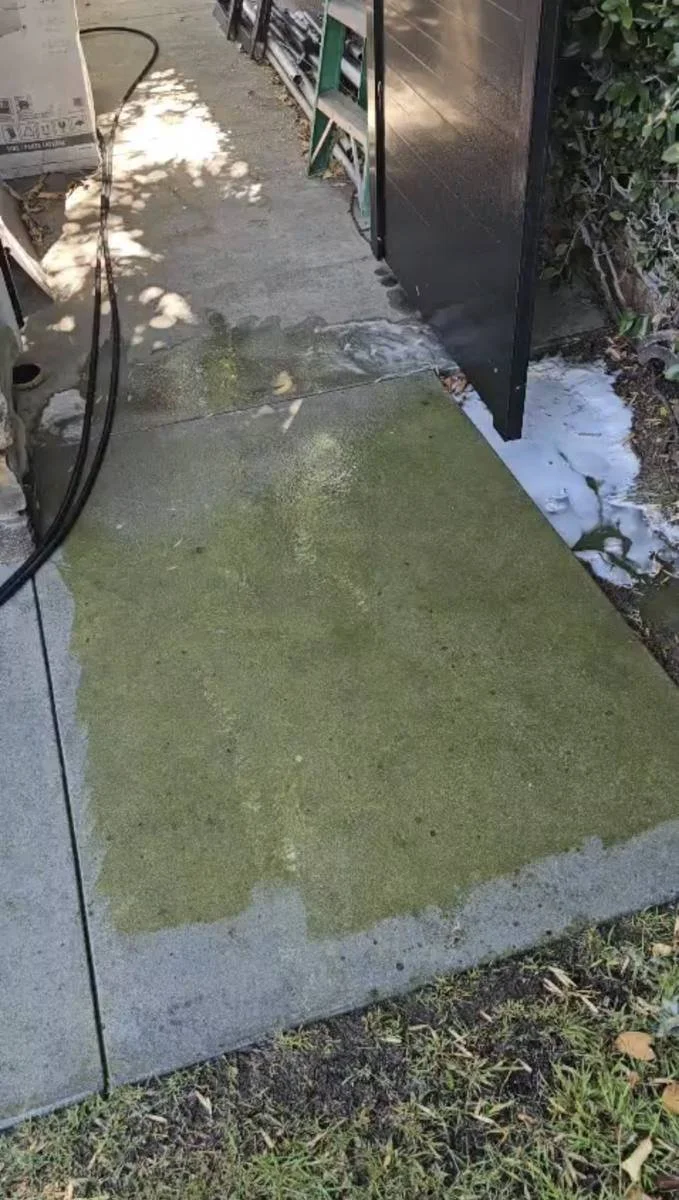 Before
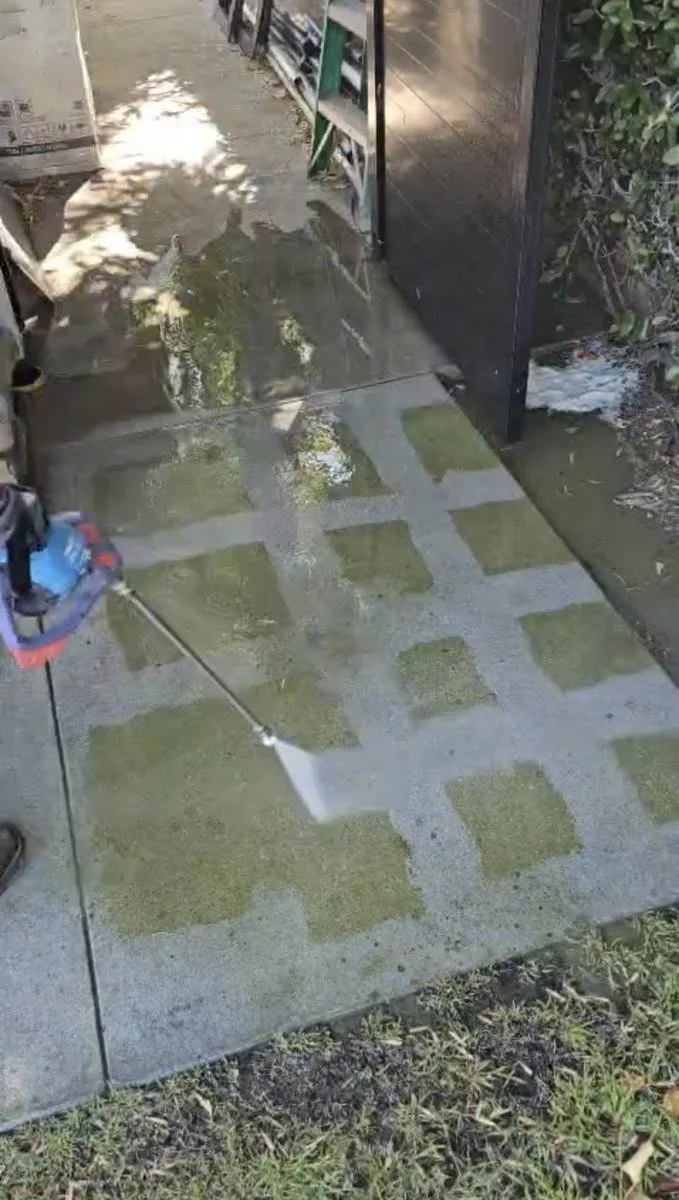 During
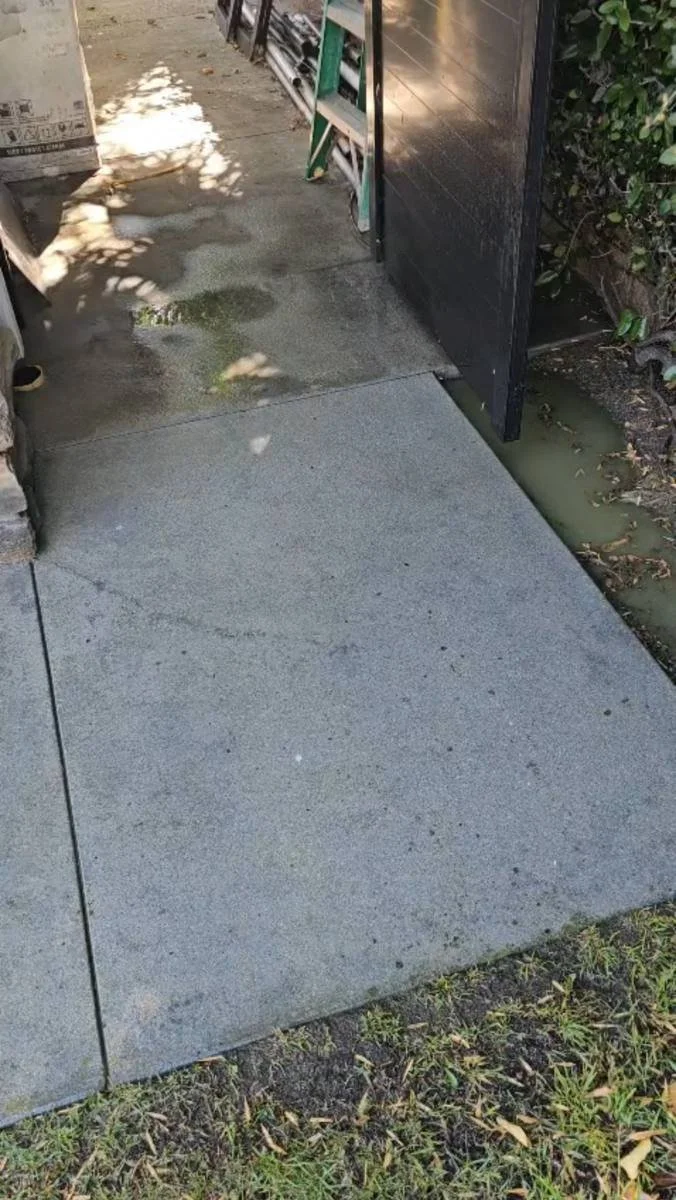 After
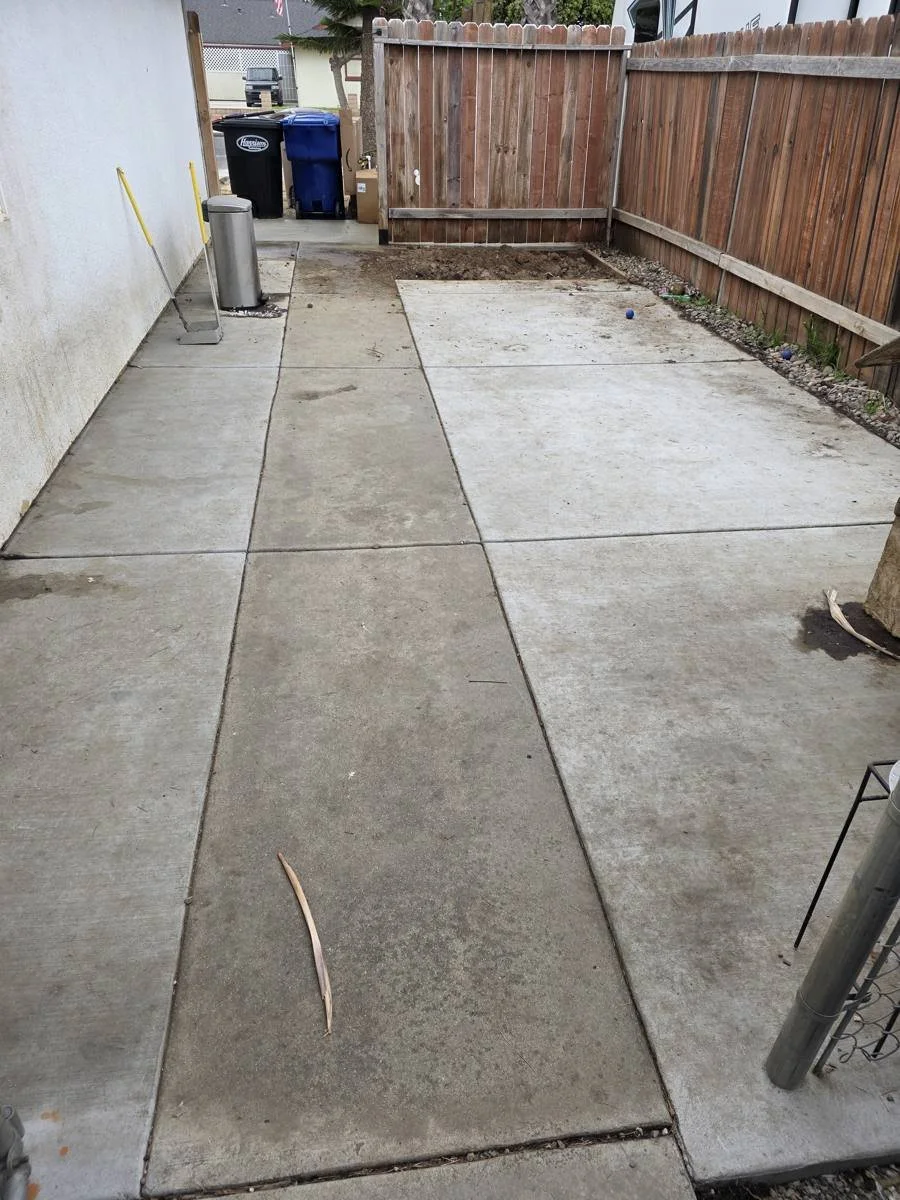
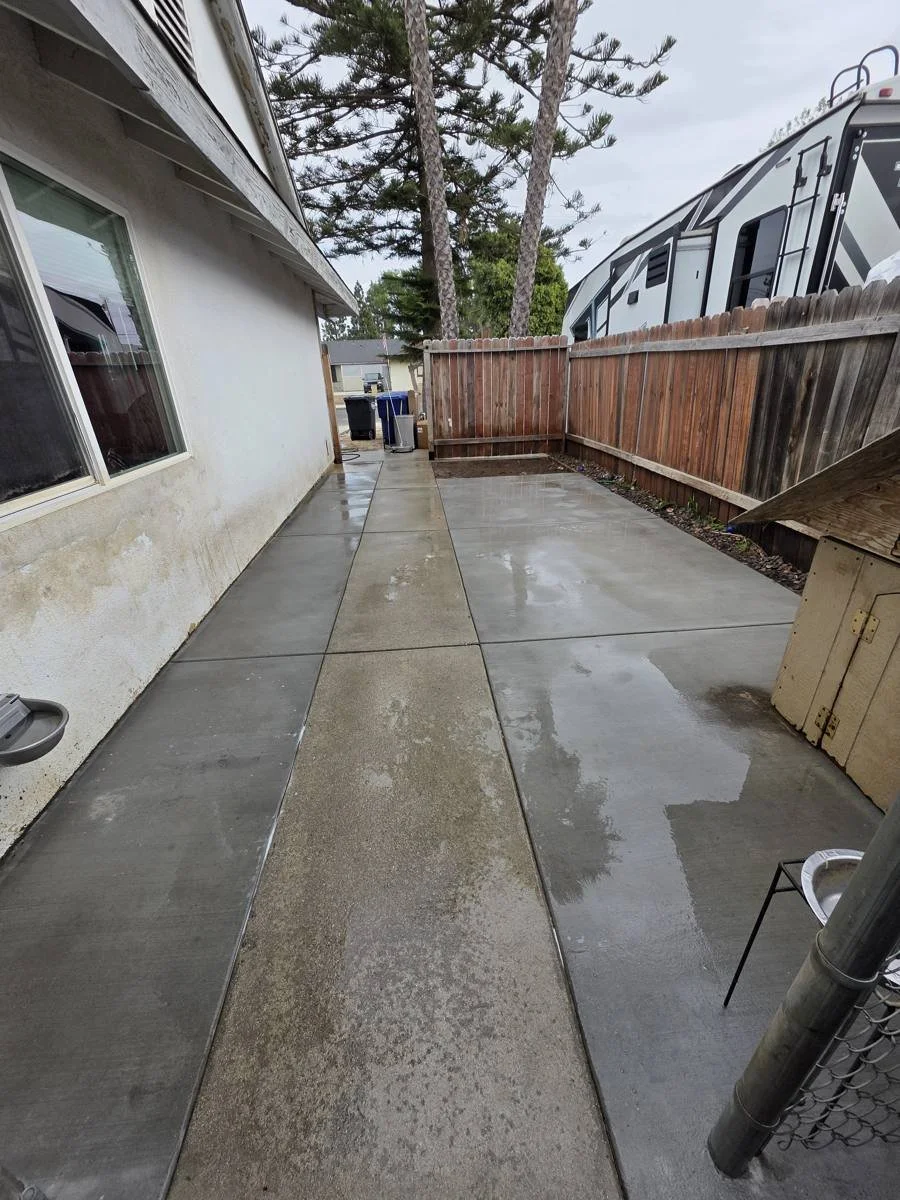
Our pressure washing service covers driveways, walkways, patios, pool decks and other hardscape around the home.
What Is Soft Washing?
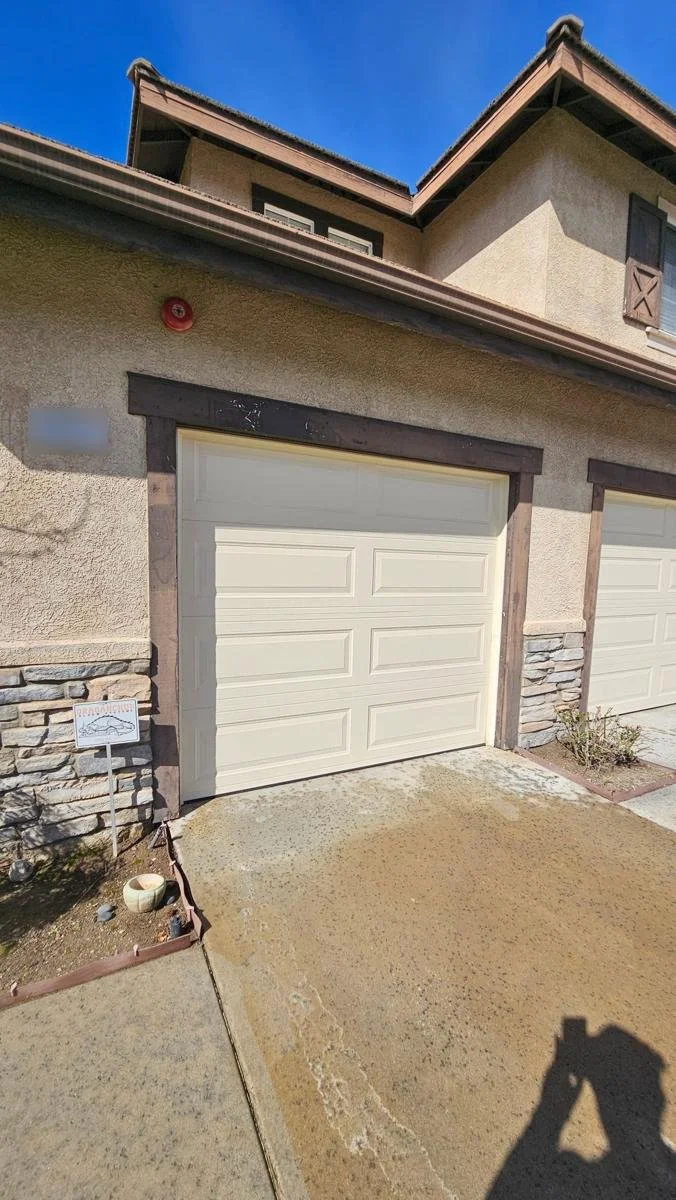
Soft washing flips the approach. Instead of relying on pressure, it relies on chemistry. A technician applies a cleaning solution, typically a diluted sodium hypochlorite mix with a surfactant that helps it cling, lets it dwell for several minutes to break down organic growth, then rinses it away at low pressure.
The key difference is that soft washing kills what is growing on the surface instead of just removing what you can see. Black streaks on stucco, green film on the north side of the house and dark patches on roof shingles are usually living organisms like algae, mold and lichen. Blasting them off with pressure removes the top layer but leaves roots behind, so they grow back quickly. Soft washing treats the cause, so results last noticeably longer.
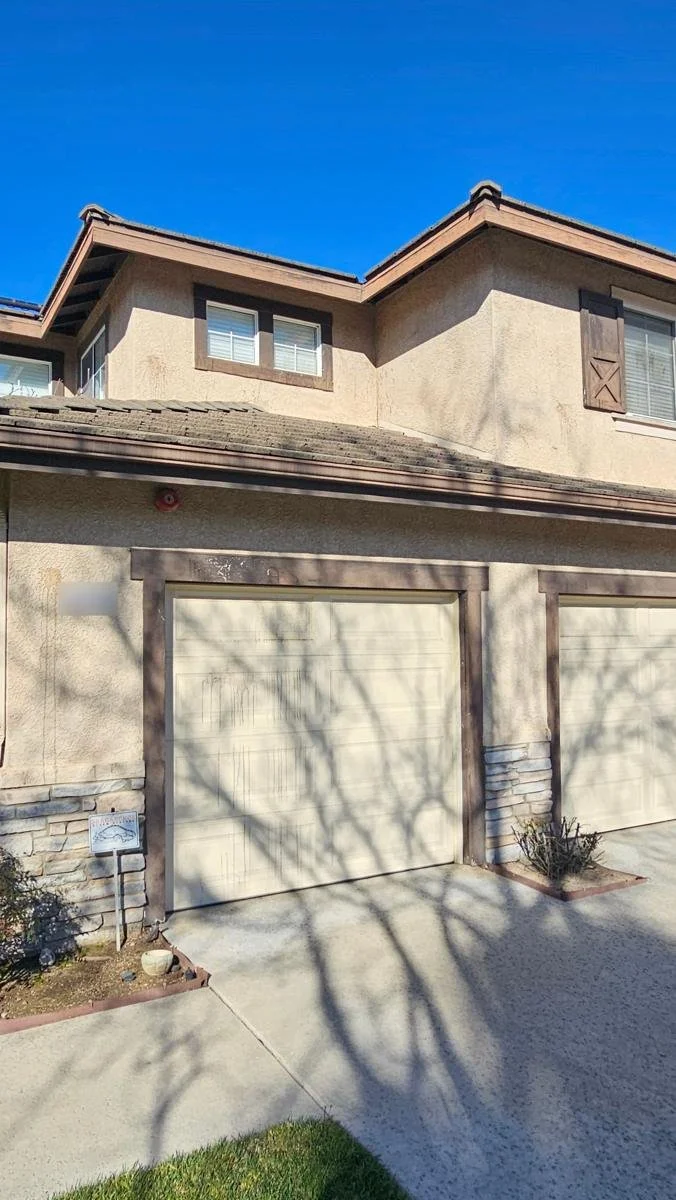 Before
 After
Which Surfaces Need Pressure Washing?
Pressure washing is the better choice for hard, non-porous or very durable surfaces, including:
Concrete driveways and garage floors
Sidewalks, walkways and entry steps
Brick and stone pavers
Pool decks (concrete or pavers)
Block walls and retaining walls
Commercial dumpster pads and drive-thrus
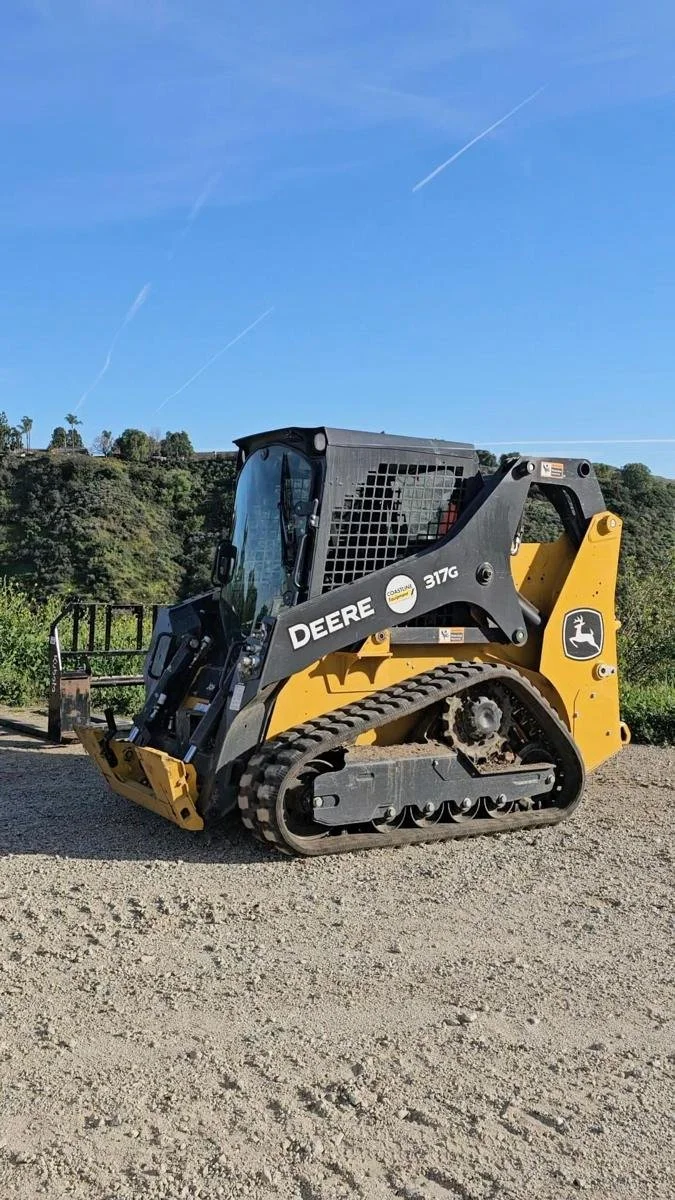
Heavy equipment, trailers and farm machinery
 Before
 After
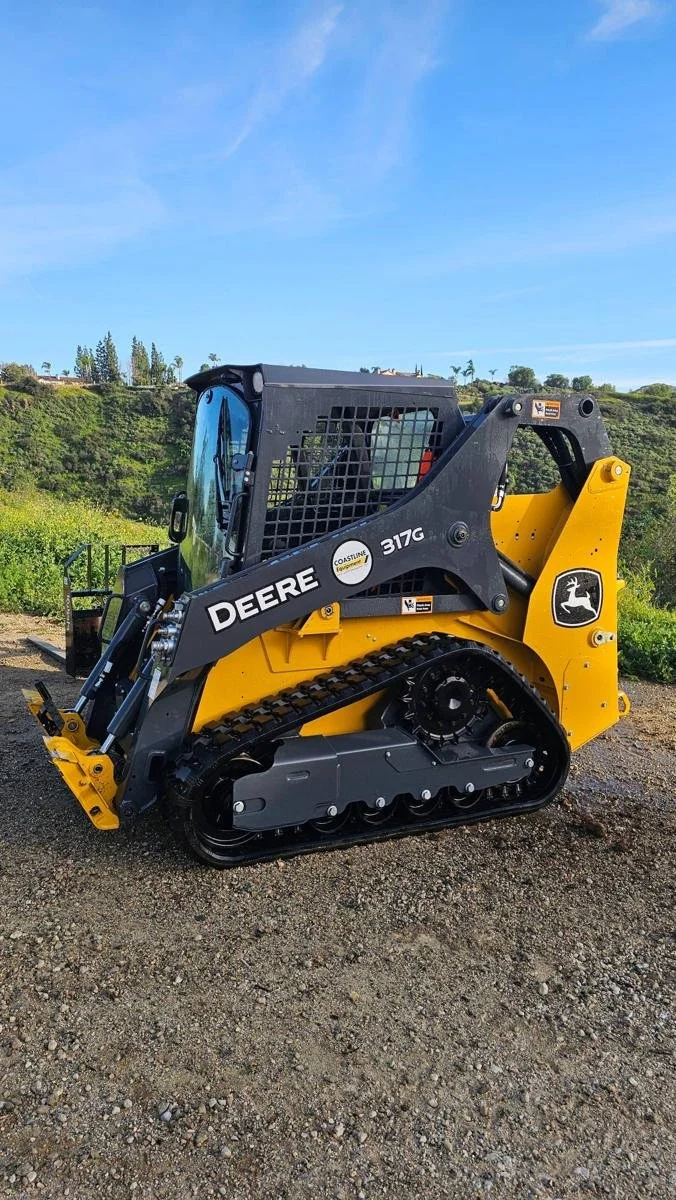
For the heavy-duty end of that list, like construction equipment, agricultural machinery, barns and stables, we offer specialty pressure washing built for caked-on mud, grease and manure.
 Before
 After
Which Surfaces Need Soft Washing?
Soft washing is the safer choice for anything painted, porous, soft or easily damaged:
Stucco exteriors (the most common siding in Ventura County)
Painted wood siding and trim
Vinyl siding
Asphalt shingle and tile roofs
Eaves, soffits and fascia
Painted fences and patio covers
Window screens and outdoor furniture
Stucco deserves special mention. It is porous and textured, and high pressure can force water behind it, chip the finish or etch visible lines into the surface. Most stucco staining is organic growth or dirt that soft washing handles without risk.
What Happens When the Wrong Method Is Used?
This is where a lot of DIY projects and low-bid jobs go wrong. Using high pressure on the wrong surface can cause:
Stripped or chipped paint on siding, trim and fences
Etched or “striped” stucco that stays visible long after it dries
Water intrusion behind siding, around windows and under roof shingles, which can lead to hidden mold or rot
Granule loss on asphalt shingles, which shortens roof life and can void manufacturer warranties
Splintered or “furry” wood on decks and fences
Broken window seals that let moisture fog the glass
Going the other direction, soft washing a heavily oil-stained driveway usually will not do much. Organic growth responds to chemistry, but grease and tire marks need heat, degreaser and pressure.
Is Soft Washing Safe for Plants, Pets and Turf?
When done properly, yes. The cleaning solution is diluted well below household bleach strength, and a careful technician will pre-wet and post-rinse landscaping, cover sensitive plants when needed and control runoff. Pets and kids should stay inside until surfaces are rinsed and dry, which is typically within an hour or two.
If you have artificial turf near the house, let your cleaner know ahead of time so they can protect it during the job. And if that turf is starting to smell, especially with dogs, that is a separate problem with its own fix. Our pet odor removal for artificial turf treats urine buildup in the infill and backing, which neither pressure washing nor soft washing is designed to solve.
Why Ventura County Homes Often Need Both
Our local climate creates a specific mix of problems. Coastal fog and marine layer moisture in Oxnard, Ventura and Camarillo feed algae and mildew on shaded walls and roofs. Inland in Thousand Oaks, Moorpark and Simi Valley, dust, pollen and hard water spotting are bigger issues. Add Santa Ana wind season, which coats everything in fine debris and ash, and most homes end up with both organic growth on the house and ground-in dirt on the hardscape.
That is why a typical whole-home exterior cleaning here uses soft washing for the walls, eaves and roof, and pressure washing for the driveway, walkways and patio. Using one method for everything is usually a shortcut, not a best practice. You can check whether your neighborhood is covered on our service areas page.
How Much Does Each Cost?
Pricing depends on square footage, surface type, how dirty things are and how accessible they are. As a general reference, typical industry ranges for residential driveway pressure washing tend to land in the low to mid hundreds of dollars, while full-house soft washing often costs more because of the chemistry, dwell time and extra care involved. Roof soft washing is usually priced separately.
The best way to know what your home needs is to get a quote based on your actual surfaces. We will tell you honestly which method fits each area. Request a free quote or call (805) 754-7099.
How Often Should You Clean Your Home’s Exterior?
For most Ventura County homes, a good baseline is:
| Surface | Method | How often |
|---|---|---|
| House exterior | Soft wash | Once a year, or every 18 to 24 months for sunny, low-growth homes |
| Roof | Soft wash | Every 2 to 3 years, or when dark streaks appear |
| Driveway and walkways | Pressure wash | Once or twice a year |
| Pool decks and patios | Pressure wash | Every 6 to 12 months, especially before summer |
Shaded walls, homes near the coast and properties under large trees will need more frequent attention.
Frequently Asked Questions
Can I pressure wash my stucco house?
It is not recommended. High pressure can damage stucco’s finish, force water behind it and leave permanent marks. Soft washing cleans stucco safely and lasts longer because it kills the organic growth causing the stains.
Is soft washing just pressure washing with a lower setting?
No. Turning the pressure down without the right cleaning solution just rinses the surface. Soft washing depends on the solution and dwell time to break down mold, algae and mildew. The low pressure is only for applying and rinsing.
Does soft washing kill plants?
Not when it is done correctly. Professionals dilute the solution, wet down plants before and after, and manage runoff. Most landscaping is completely unaffected.
How long do soft washing results last compared to pressure washing?
Because soft washing kills growth at the root, results on siding and roofs typically last noticeably longer than pressure washing the same surface, which only removes what is visible.
Can I do this myself?
You can pressure wash a concrete driveway yourself with care. Soft washing walls and roofs involves chemicals, ladders and runoff control, so it is usually safer to hire a pro, especially for second stories and roofs.
The Bottom Line
Pressure washing and soft washing are not competitors. They are two tools for two kinds of surfaces. Use pressure on hard surfaces like concrete, pavers and equipment. Use soft washing on stucco, siding, painted surfaces and roofs. The most common and most expensive mistake is using high pressure on a surface that cannot handle it.
HydroForce Bin & Wash is a family-owned company based in Camarillo, serving homes and businesses across Ventura County. If you are not sure what your home needs, we will look at it and give you an honest recommendation.
Not sure which method your home needs?
Send us a few photos and we’ll recommend the right method for each surface. Call or text (805) 754-7099.
Get a Free QuoteCall (805) 754-7099